

Pen Gear has established itself as a trusted name in the stationery industry, offering quality writing products that balance affordability with functionality. As part of a broader commitment to making organizational tools accessible to everyone, the Pen Gear journal line represents a thoughtful approach to everyday note-taking and personal documentation.
The Pen Gear journal collection occupies a unique position in the stationery market, targeting individuals who value both practicality and quality without the premium price tag associated with luxury brands. These journals cater to a diverse demographic spanning students managing coursework, professionals organizing business tasks, creative individuals capturing inspiration, and anyone seeking a reliable companion for their thoughts and ideas.
The target user profile encompasses young professionals aged 18-35 who appreciate minimalist design, college students requiring versatile note-taking solutions, bullet journal enthusiasts exploring organizational systems, and casual writers maintaining personal reflections. What unites these groups is a desire for dependable paper quality, flexible formatting options, and products that enhance rather than complicate their writing routines.
Core selling propositions include exceptional value pricing that doesn’t compromise on paper quality, versatile page layouts accommodating various writing styles and methodologies, durable construction withstanding daily use, and clean, professional aesthetics suitable for multiple contexts. The brand philosophy centers on removing barriers between individuals and their ideas, ensuring that quality journaling remains accessible to all.
Pen+Gear Premium Journal Collection
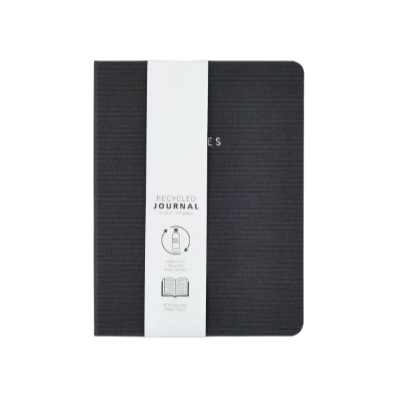
Pen+Gear Brand Fabric Cover Journal – Black (240 Ruled Pages)
Price: $4.00
Eco-Friendly Elegance
Made with a fabric hardcover crafted from recycled water bottles and 240 ruled pages of recycled paper, this journal embodies sustainability and style. Its case-bound cloth cover with rounded edges protects your pages while the elastic band keeps everything securely closed.
Smart Design for Everyday Use
Designed for organization and flexibility, it includes a sturdy storage pocket and two ribbon markers to track progress. Portable at 6.1″ x 8.03″, it’s ideal for students, professionals, or anyone who enjoys jotting down ideas on the go.

Pen+Gear Journal – Sun and Moon Design (96 Sheets)
Price: $12.77
Celestial Sophistication
Elegantly finished with a soft blue leatherette cover and gold-gilded page edges, this journal exudes a luxurious charm. Measuring 8.5″ x 11″, it provides ample room for creativity, planning, and expressive writing.
Versatile Inspiration
Perfect for writers, artists, and dreamers alike, its 192 pages offer boundless space for notes, sketches, or reflections. Suitable for all ages, it’s a refined companion for work, school, or home, crafted with durability and care.
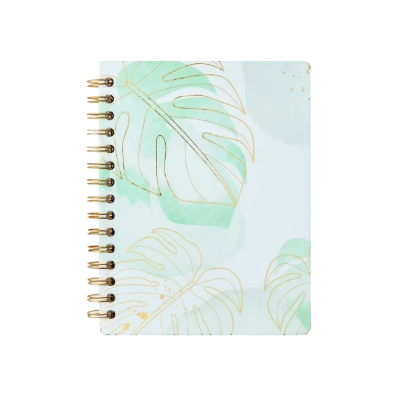
Pen+Gear Ruled Journal – Green and Gold Tropical Leaves (192 Pages)
Price: $7.92
Nature-Inspired Beauty
Adorned with a stunning green and gold tropical leaves pattern, this journal brings a botanical touch to your desk. It’s the perfect size at 6″ x 8″, ideal for slipping into your bag for quick note-taking or daily journaling.
Designed for Comfort and Creativity
With its sturdy wire binding, the pages lay perfectly flat, making writing effortless and neat. Featuring 192 ruled pages, it’s great for school, work, or personal organization—capturing thoughts, dreams, and plans in style.
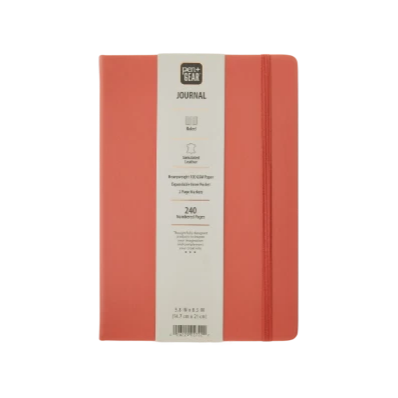
Pen+Gear Simulated Leather Journal – Red (240 Ruled Pages)
Price: $12.72
Vibrant Professionalism
Wrapped in bold red simulated leather, this journal offers a pop of color to your workspace. The 240 ruled pages of heavyweight 100 GSM paper prevent ink bleed, ensuring your notes remain crisp and legible.
Functional Luxury
Compact at 5.8″ x 8.3″, it features dual page markers and an expandable pocket for added convenience. Perfect for professionals, entrepreneurs, or passionate writers, it’s a sophisticated addition to any stationery set.
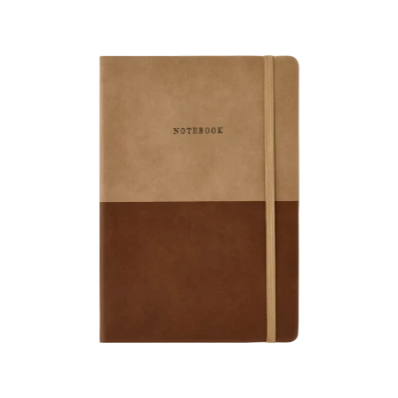
en+Gear Simulated Leather Journal – Brown (256 Ruled Pages)
Price: $6.97
Classic and Refined
Combining simplicity with elegance, this brown simulated leather journal exudes timeless charm. Sized at 6″ x 8″ and sewn with durable binding, it offers longevity and portability for everyday writing or travel use.
Built to Preserve Your Thoughts
Featuring 256 acid-free ruled pages, it ensures your writing remains vibrant and intact for years. Whether for personal journaling, professional note-taking, or creative brainstorming, it’s your perfect daily companion.
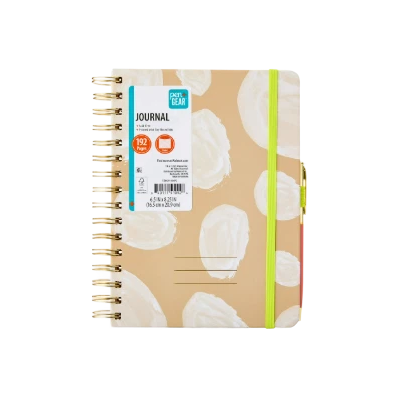
Pen+Gear Twin Wire Bound Journal – Khaki (192 Lined Pages + Pen)
Price: $7.47
Smart and Practical
Sleek in khaki with a paper hard cover, elastic closure, and attached pen, this journal blends function and fashion. At 6″ x 8.25″ x 1″, it easily fits into backpacks and purses for on-the-go convenience.
Eco-Conscious Craftsmanship
Made from FSC-certified, acid-free paper printed with soy inks, this eco-friendly journal supports sustainable writing habits. Its twin wire binding allows the journal to open flat, providing a smooth surface for effortless writing and sketching.
Product Series and Specifications
The Pen Gear journal line offers comprehensive size options addressing different portability and writing space requirements. The A5 format (5.8 x 8.3 inches) provides optimal balance between writing surface and portability, fitting comfortably in most bags while offering sufficient space for detailed notes. B5 dimensions (7 x 10 inches) accommodate users requiring more expansive writing areas without transitioning to full-size formats. A4 journals (8.3 x 11.7 inches) serve those prioritizing maximum writing space, ideal for sketching, detailed project planning, or comprehensive meeting notes.
Page count configurations typically range from 80 to 200 sheets (160-400 pages), with standard offerings at 100-sheet and 150-sheet counts. This variety allows users to select journals matching their anticipated usage duration and preferred thickness, balancing portability against longevity.
Cover materials span several categories, each serving distinct aesthetic and functional purposes. Hardcover editions feature durable cardboard wrapped in textured paper or cloth, providing superior protection and a professional appearance. Softcover variants utilize thick cardstock, reducing weight while maintaining adequate protection for daily carry. Some premium lines incorporate faux leather or synthetic materials, offering water-resistance and enhanced tactile appeal.
Design aesthetics range from minimalist solid colors that project professionalism to subtle patterns that add visual interest without overwhelming. Color palettes include classic black, navy, and gray alongside softer tones like sage green, dusty rose, and cream, ensuring options suitable for personal preference and professional settings.
Interior page configurations address diverse note-taking methodologies. Ruled pages with standard 7mm line spacing accommodate traditional writing styles. Grid patterns, typically featuring 5mm squares, support bullet journaling, technical drawing, and mathematical notation. Blank pages offer maximum creative freedom for sketching and freeform writing. Dot grid layouts, increasingly popular among planning enthusiasts, provide subtle guidance without visual distraction, facilitating both structured organization and creative expression.
Product Design and Features
Exterior Design
The design philosophy underlying Pen Gear journals emphasizes functional elegance—aesthetic appeal that enhances rather than overshadows utility. The visual language communicates reliability and approachability, avoiding both austere minimalism and excessive ornamentation. This balanced approach ensures journals feel appropriate across contexts, from formal business meetings to personal creative sessions.
Color selection reflects careful consideration of psychological impact and practical application. Neutral tones dominate the core collection, providing versatility and timeless appeal. Darker shades resist visible wear, maintaining professional appearance through extended use. Accent colors inject personality while remaining sophisticated, allowing users to express individuality without sacrificing professionalism.
Binding methods significantly impact both durability and user experience. Thread-sewn binding, featured in premium editions, ensures pages remain secure while allowing the journal to lay flat when opened—a critical feature for comfortable writing and reference. Perfect binding (adhesive-based) reduces production costs while maintaining adequate durability for standard use. Spiral or disc-bound systems, available in select models, offer flexibility for page removal and rearrangement, though they sacrifice some portability due to increased thickness.
Portability considerations inform every design decision. Edge rounding prevents corner damage and page dog-earing in bags and pockets. Elastic closure bands, included on most hardcover editions, prevent accidental opening during transport and mark stopping points. Size-specific design adaptations ensure smaller formats maximize writing space while larger editions incorporate reinforced spines supporting additional weight.
Interior Design
Paper weight represents a crucial specification directly impacting writing experience. Pen Gear journals typically utilize 70-80 gsm (grams per square meter) paper, striking an optimal balance between substantiality and flexibility. This weight provides sufficient thickness to minimize show-through from most writing instruments while maintaining comfortable page-turning resistance. The paper composition incorporates acid-free materials, ensuring long-term preservation of written content without yellowing or deterioration.
Page layouts receive meticulous attention to functional detail. Ruled pages feature consistent line spacing with subtle guides that provide structure without dominating visual space. Grid patterns maintain precision accuracy, critical for technical applications and structured planning systems. Dot grid spacing follows industry standards, typically 5mm intervals, optimizing versatility for both detailed work and broad strokes.
Premium editions incorporate organizational enhancements including numbered pages facilitating reference and index creation, perforated edges on initial pages enabling customizable table-of-contents sections, and subtle date spaces allowing temporal organization without prescribing specific formats. These additions transform journals from passive repositories into active organizational systems.
Anti-bleed technology represents a significant quality differentiator. Pen Gear paper undergoes treatment processes that create protective barriers reducing ink penetration. This technology accommodates most standard writing instruments, including gel pens and felt-tip markers, though fountain pen users should test compatibility given varying ink formulations and flow rates.
Craftsmanship Details
Cover treatments extend product longevity while enhancing tactile appeal. Water-resistant coatings on select models protect against accidental spills and moisture exposure, critical for users in variable environments. Scuff-resistant finishes maintain aesthetic integrity despite regular handling. These treatments apply microscopic protective layers that don’t alter the underlying material’s texture or appearance.
Spine reinforcement techniques differentiate quality construction from economy alternatives. Double-stitched spines on hardcover editions distribute stress across multiple points, preventing separation even with frequent handling. Flexible spine materials allow comfortable opening angles while maintaining structural integrity. These engineering details, though invisible to casual observation, fundamentally impact long-term durability.
Integrated accessories enhance functionality without compromising portability. Ribbon bookmarks, attached securely to spine caps, provide instant navigation to relevant sections. Elastic pen loops, positioned on select models, ensure writing instruments remain accessible. Interior pocket folders, incorporated into back covers, accommodate loose notes, receipts, and ephemera. Each addition serves clear purpose, avoiding feature bloat that increases cost without proportional benefit.
The 180-degree lay-flat capability, achieved through specialized binding techniques, transforms user experience. This feature eliminates the frustration of pages spontaneously closing during writing, particularly valuable for extended documentation sessions. It enables comfortable single-handed use and facilitates reference while typing or performing other tasks. The engineering required—careful spine scoring, balanced page distribution, and precise adhesive application—represents significant manufacturing sophistication.
Usage Scenarios and Functions
Daily Writing Contexts
Personal journaling represents perhaps the most intimate application of Pen Gear journals. The blank page becomes a confidential space for processing emotions, documenting daily experiences, and tracking personal growth. The physical act of handwriting engages different cognitive processes than digital typing, often yielding deeper reflection and emotional processing. Users report that the tactile experience—pen against paper—creates mindfulness moments in increasingly digital lives.
Professional note-taking demands different qualities than personal journaling. Meeting documentation requires rapid capture of key points, action items, and contextual details. Pen Gear’s ruled and grid formats facilitate organized note-taking systems that enable effective later review. The professional appearance of these journals ensures appropriateness in formal business settings, while durable construction withstands frequent transport between offices and meetings.
Academic applications emphasize information organization and retention. Students utilize these journals for lecture notes, study guides, and exam preparation materials. The ability to incorporate diagrams, equations, and textual content on the same surface supports interdisciplinary learning. Grid and dot layouts particularly benefit STEM students requiring precise graphical representations alongside written explanations.
Creative ideation flourishes in formats that don’t impose rigid structures. Blank and dot grid pages accommodate brainstorming sessions, concept sketches, and freeform thought exploration. The permanence of paper encourages commitment to ideas, while the lack of digital distractions fosters deeper creative focus. Many users maintain dedicated creative journals separate from practical planning systems, allowing imaginative freedom without organizational constraints.
Professional Applications
Project management methodologies translate effectively to journal formats. Users create customized tracking systems for task completion, milestone achievement, and resource allocation. The tangible nature of paper-based systems provides visceral satisfaction as items are checked off or pages turned, reinforcing progress in ways digital systems struggle to replicate. The ability to quickly scan multiple pages simultaneously enables holistic project visualization.
Meeting documentation extends beyond mere transcription. Effective note-takers capture not just spoken content but contextual details—participant reactions, unspoken tensions, emerging themes. The flexibility of paper allows instant diagram creation, relationship mapping, and visual annotation impossible with linear digital note-taking. Post-meeting review of handwritten notes often surfaces insights missed during initial documentation.
Goal planning and progress tracking benefit from journal’s temporal permanence. Unlike digital systems where entries disappear into archives, physical journals maintain visible history. Users can physically flip back through previous goals, tracking pattern recognition and learning from past attempts. The weekly or monthly review process—fundamental to productivity systems—becomes more tangible when conducted with physical artifacts.
Time management applications range from simple daily to-do lists to sophisticated time-blocking systems. The journal format accommodates whatever organizational methodology resonates with individual users, from structured hourly schedules to flexible priority systems. The absence of notifications and digital interruptions paradoxically makes paper planning systems more effective for some users than sophisticated apps.
Specialized Extensions
Travel documentation captures experiences in ways photographs cannot. Written observations preserve sensory details, emotional states, and contextual nuances that fade from memory. Compact Pen Gear journals fit easily in day packs, enabling documentation during experiences rather than relying on later reconstruction. Weather-resistant covers protect entries from travel’s unpredictable conditions.
Reading notes transform passive consumption into active engagement. Dedicated journals for book reflections encourage deeper analysis, memorable quote collection, and personal reaction documentation. The act of handwriting particularly enhances retention, making these journals valuable study aids. Readers often discover patterns across books visible only when reviewing compiled notes.
Decorative journaling, or “planning,” has evolved into a substantial subculture combining functionality with artistic expression. Users embellish pages with washi tape, stickers, illustrations, and calligraphy, transforming practical planning into creative practice. Pen Gear’s clean layouts provide ideal canvases for decoration without prescribing specific aesthetic directions.
Artistic applications extend journals beyond writing. The paper quality accommodates pencil sketches, colored pencil work, and light watercolor applications (though dedicated art papers better serve serious artistic endeavors). Urban sketchers, field naturalists, and casual artists appreciate compact formats enabling creative documentation wherever inspiration strikes.
Product Advantage Analysis
Value Proposition
Pen Gear journals occupy a strategic price point typically ranging from $5 to $15 depending on size and specifications. This positioning delivers remarkable value when evaluated against comparable offerings. Premium brands charge 2-3 times more for similar specifications, often reflecting brand prestige rather than measurable quality differences. Budget alternatives, while cheaper, frequently compromise on paper quality or binding durability, ultimately costing more through premature replacement needs.
Competitive analysis reveals Pen Gear’s advantages. Against premium competitors, testing shows negligible differences in paper performance for standard writing instruments, questioning whether luxury pricing reflects proportional value. Against economy alternatives, Pen Gear’s superior binding and paper treatment justify modest price premiums through extended usable life and better writing experience.
The cost-quality balance reflects intelligent material selection and manufacturing efficiency rather than corner-cutting. Partnerships with established paper manufacturers ensure consistent quality while economies of scale reduce per-unit costs. This operational efficiency transfers to consumers as accessible pricing without compromising essential quality attributes.
Writing Experience
Ink compatibility testing reveals strong performance across writing instrument categories. Ballpoint pens produce clean, consistent lines without feathering or bleeding. Gel pens, which contain more moisture than ballpoints, show minimal show-through on 80gsm paper variants. Felt-tip markers require testing, as results vary by specific formulation, though most standard office markers perform acceptably.
Fountain pen compatibility, critically important to enthusiasts, shows generally positive results with important caveats. Fine and medium nibs typically perform well, though heavy ink flow or particularly wet nibs may experience some show-through. The paper’s slight texture provides sufficient friction for controlled writing without feeling rough or catching pen tips. Users report satisfying feedback and minimal feathering with quality fountain pen inks.
Writing smoothness derives from paper finish optimization. The surface provides slight texture—enough for pen grip without excessive friction. This balance prevents the slippery sensation some coated papers produce while avoiding the drag associated with highly textured surfaces. Extended writing sessions remain comfortable, with minimal hand fatigue reported.
Durability testing demonstrates robust construction. Pages withstand repeated erasing without pilling or tearing. Bindings maintain integrity through hundreds of openings and closings. Users report journals remaining functional for years when properly maintained, with primary failure modes being cover wear rather than structural breakdown. This longevity substantially impacts effective cost-per-use calculations.
Brand Reliability
Pen Gear’s market presence spans decades, building reputation through consistent quality delivery rather than marketing hype. The brand philosophy emphasizes functional reliability—products that perform exactly as expected without surprises. This consistency builds user confidence, encouraging repeat purchases and recommendations.
User testimonials highlight reliability as a defining characteristic. Reviews consistently mention journals “holding up well,” “meeting expectations,” and “being dependable.” While perhaps not exciting language, it reflects the fundamental trust users place in these products. The absence of dramatic quality variations across production batches indicates effective quality control.
Quality assurance commitments include standard retail return policies alongside manufacturer defect coverage. While Pen Gear doesn’t offer lifetime guarantees characteristic of ultra-premium brands, the reasonable pricing makes replacement affordable in rare defect cases. The defect rate appears low based on review analysis, suggesting effective manufacturing processes.
User Experience and Feedback
Authentic User Reviews
Positive feedback clusters around several themes. “Great value” appears frequently, with users expressing pleasant surprise at quality given pricing. “Perfect for bullet journaling” indicates strong adoption among planning enthusiasts. “Paper holds up well” confirms anti-bleed performance. “Clean design” reflects appreciation for understated aesthetics. These patterns reveal core user priorities—functionality, reliability, and value.
Common concerns deserve honest acknowledgment. Some users note slight show-through with certain pen combinations, particularly wet fountain pens or heavy markers. This limitation reflects physics—perfect opacity requires either extremely thick paper (reducing page count and increasing weight) or heavy coatings (altering writing feel). The current balance represents reasonable compromise for general use.
Cover durability receives occasional criticism, particularly on softcover models experiencing wear after extensive use. This represents expected material behavior—softcover designs prioritize portability and flexibility over maximum protection. Users requiring enhanced durability should select hardcover options, though even softcovers typically outlast their filled page lifespan.
Improvement suggestions include requests for additional page layout options, varied color selections, and spiral binding alternatives. The brand’s responsiveness to user feedback appears evident in evolving product lines that incorporate requested features. This iterative improvement approach demonstrates customer-centric development philosophy.
Usage Tips and Techniques
Longevity maximization involves simple protective practices. Storing journals flat prevents spine stress and page warping. Avoiding extreme temperature exposure protects adhesives and prevents paper moisture absorption. Using page markers rather than folding corners preserves page integrity. These basic care practices can extend functional life by years.
Pen pairing recommendations based on extensive user experience suggest gel pens with 0.5mm or finer tips for optimal performance, minimizing bleeding while maintaining comfortable line width. Ballpoint pens of any quality level perform excellently. Fountain pen users should test before committing to extensive writing, preferably with fine or extra-fine nibs and quick-drying inks. Highlighters work best when applied lightly in single passes rather than repeated strokes saturating paper.
Page organization strategies transform journals from passive notebooks into active systems. Many users dedicate opening pages to indexes, logging entries as they’re created to facilitate later reference. Color-coding through highlighters, colored pens, or tab markers enables quick visual navigation. Leaving intentional white space between topics or days enhances scanability during review.
Personalization options allow expression within standardized formats. External cover customization through stickers, washi tape, or leather sleeves protects journals while reflecting personal style. Interior decoration with stamps, drawings, or collaged elements transforms functional pages into personal artifacts. The key lies in balancing decoration with functionality—embellishments should enhance rather than obscure content.
Purchasing Guide
Selection Recommendations
Size selection should prioritize primary use case. A5 formats suit daily carry and general purpose note-taking, offering ideal portability-to-writing-space ratio. B5 sizes better serve users requiring more room for diagrams, detailed notes, or those with larger handwriting. A4 journals work best for desk-based use, project planning, or applications requiring maximum writing surface.
Page layout choices depend on intended methodology. Ruled pages serve traditional note-taking and narrative writing. Grid patterns benefit technical work, planning systems, and anyone appreciating structured guidance. Blank pages offer maximum creative freedom but lack organizational cues. Dot grids represent versatile middle ground, providing subtle guidance while accommodating diverse uses.
User group recommendations help narrow options. Students benefit from durable, affordable options with sufficient page counts for semester-long use—typically 150-sheet ruled or grid journals. Professionals often prefer hardcover A5 ruled journals projecting polished appearance in meetings. Creative users gravitate toward blank or dot grid formats enabling artistic expression. Casual journalers may prefer smaller formats encouraging regular use without intimidation of excessive blank space.
Bulk purchasing considerations include volume discounts often available for multi-pack purchases, ideal for users with established preferences or organizational systems requiring multiple journals. Educational institutions and businesses can often negotiate institutional pricing for large orders. However, first-time users should purchase individual journals to test compatibility before committing to quantity purchases.
Purchase Channels
Official retail channels vary by region but commonly include major retailers like Walmart, where Pen Gear maintains strong presence as a house brand. This retail relationship ensures widespread availability and competitive pricing. Store locations offer immediate acquisition without shipping delays and enable physical inspection before purchase.
Online platforms provide convenient alternatives with often broader selection. E-commerce sites feature detailed specifications, user reviews, and comparison tools aiding informed decisions. Digital purchasing enables delivery directly to homes or offices, valuable for bulk orders or users without convenient retail access. Watch for periodic online promotions offering additional savings.
Retail network expansion continues, with Pen Gear products increasingly available through office supply chains, bookstores, and specialty stationery retailers. This distribution growth improves accessibility while maintaining consistent pricing across channels. Regional availability varies, though online options mitigate geographic limitations.
Promotional opportunities appear regularly, particularly during back-to-school seasons and year-end periods. Signing up for retailer notifications can alert users to sales and special offers. Clearance events sometimes feature discontinued colors or designs at substantial discounts, offering savings for style-flexible buyers.
After-Sales Support
Return policies follow standard retail guidelines—typically 30-90 days with receipt for unopened products or defective items. Manufacturing defects, though rare, receive replacement consideration when documented with photos and purchase verification. The straightforward return process reflects confidence in product quality and commitment to customer satisfaction.
Quality issue resolution begins with retailer contact for purchase-related problems. Direct manufacturer inquiries address specific product questions or defect concerns not resolved through retail channels. Response times vary but generally occur within business week timeframes. The support approach emphasizes practical problem-solving rather than complicated bureaucratic processes.
Customer service accessibility includes multiple contact methods—phone support during business hours, email inquiry options, and increasingly, social media responsiveness. This multi-channel approach accommodates different communication preferences and helps ensure timely assistance. The support quality reflects broader brand values of reliability and customer-focus.
Complementary Products and Ecosystem
Accessory Recommendations
Pen Gear’s integrated stationery line includes writing instruments designed to complement journal offerings. Their ballpoint and gel pen collections feature comfortable grips, smooth ink flow, and archival-quality inks ensuring long-term legibility. The coordinated design aesthetic creates cohesive desk setups, though journals function perfectly with any preferred writing tools.
Pen selection for journal use should consider intended application. Daily planning and rapid note-taking benefit from quick-drying gel pens preventing smudging. Creative journaling might incorporate colored pen sets enabling visual coding and artistic elements. Fountain pen enthusiasts should select models with controlled flow rates minimizing bleeding potential.
Decorative supplies expand creative possibilities. Washi tape adds color and delineation without permanent commitment. Sticker collections enable quick decoration and visual interest. Stamp sets facilitate repeated motif incorporation. These accessories transform functional journals into personalized expressions while maintaining core organizational utility.
Storage solutions protect journal investments. Dedicated pouches or sleeves prevent cover damage during transport. Desktop organizers create designated homes encouraging regular use. For active users maintaining multiple journals—personal, professional, creative—organizational systems prevent confusion and ensure appropriate journal accessibility for each context.
Methodology Applications
Bullet journaling methodology translates exceptionally well to Pen Gear formats, particularly dot grid variants. This system’s core principles—rapid logging, migration, and custom collections—require no special paper beyond quality basics. The flexibility allows users to start simply and evolve complexity as habits establish. Monthly, weekly, and daily spreads adapt to available space and personal preferences.
Cornell note-taking method benefits from manual page division or use of grid layouts facilitating structured formatting. This evidence-based system—dividing pages into note-taking, cue, and summary sections—enhances information retention and review effectiveness. Students particularly benefit from this approach’s systematic organization supporting exam preparation.
Mind mapping techniques flourish on blank or dot grid pages where radial thinking patterns extend naturally from central concepts. The spatial freedom enables organic idea connection and hierarchy visualization impossible in linear note formats. Creative professionals and strategic thinkers find this approach particularly generative for brainstorming and problem-solving.
Habit tracking systems leverage journals’ daily accessibility for accountability and pattern recognition. Whether tracking water consumption, exercise, reading, or custom behaviors, visual tracking creates powerful feedback loops encouraging consistency. Simple checkbox systems require minimal time while generating motivating visual records of progress.
Frequently Asked Questions
Does the paper prevent ink bleed-through? The 70-80gsm paper includes anti-bleed treatment handling most standard writing instruments well—ballpoints, gel pens, and pencils show minimal to no bleed-through. Fountain pens and heavy markers may show slight ghosting depending on specific ink properties and application pressure. Testing with your preferred instruments on early pages helps establish compatibility.
Can I use fountain pens? Yes, with considerations. Fine and medium nibs generally perform well, though results vary by ink wetness and paper batch variations. Extra-fine nibs provide best results. Some show-through may occur with very wet inks or broad nibs. Many fountain pen users successfully use these journals, though dedicated fountain pen paper offers superior performance for purists.
How can I extend my journal’s lifespan? Protect covers with sleeves or pouches during transport. Store flat rather than standing to prevent spine stress. Avoid extreme temperatures and moisture exposure. Use ribbon bookmarks rather than folding pages. Handle with clean hands to prevent cover soiling. These simple practices can dramatically extend functional and aesthetic life.
Are pages replaceable? Standard bound editions don’t support page replacement—this permanent binding ensures durability. Disc-bound systems, available in select models, allow page addition, removal, and rearrangement. Consider this factor during initial selection based on whether you anticipate needing page flexibility.
What age groups can use these journals? The versatile designs suit ages from pre-teens through seniors. Children developing writing skills might prefer larger ruled spacing. Teens and adults appreciate varied layout options supporting different uses. Seniors value quality paper accommodating various pen pressures and potentially less precise motor control. The fundamental functionality spans age demographics.
Are these journals environmentally sustainable? The paper contains acid-free materials supporting long-term preservation. While specific recycled content percentages aren’t prominently advertised, standard paper products generally include some recycled fibers. The durable construction encourages extended use rather than frequent replacement, reducing overall resource consumption. End-of-life disposal follows standard paper recycling protocols.